


📜 History of the Town
First written record of Csorvás. Archaeological excavations reveal church ruins dating back to the age of the Árpáds.
Csorvás becomes an independent settlement on December 3, 1857. Symmetrical grid planning shapes the town layout.
Arrival of the Nagyvárad-Fiume railway line. Csorvás establishes itself as a regional agricultural transport hub.
The settlement becomes a large village with developed utility infrastructure, supplying drinking water and natural gas.
On July 1, 2005, Csorvás is officially granted town status.
Townscape and Nature
Csorvás features a modern town centre with a neat, chessboard-like street plan. Around Szabadság Square, three historic churches and a chapel stand close to each other.
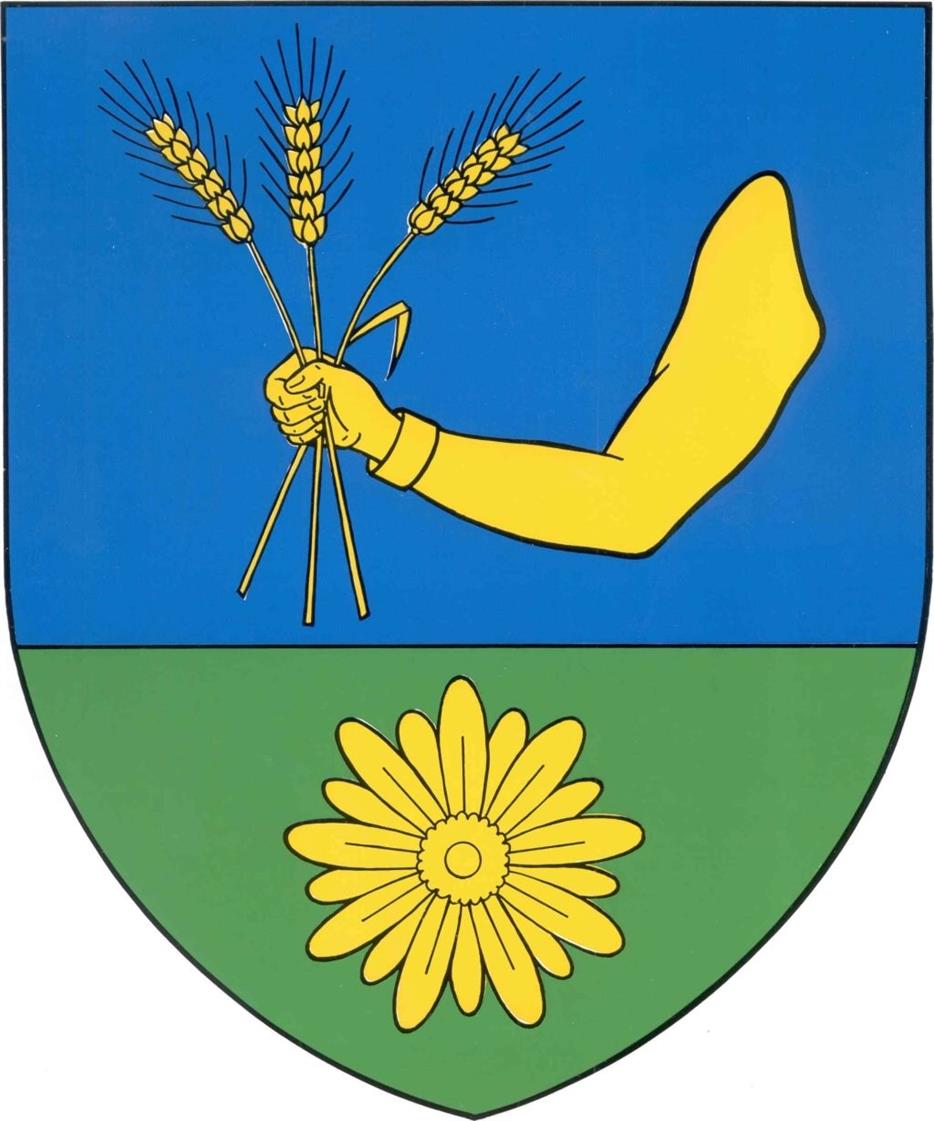
The outskirts contain designated conservation areas. The most famous local natural treasure is the Transylvanian Pheasant's Eye (Hérics), a protected yellow flower which is also featured on the town's coat of arms.
🎉 Traditional Festivals
International meeting celebrating the wedding of composer Béla Bartók's parents, which took place in the local Roman Catholic church.
Traditional harvest celebrations featuring live demonstrations of historical wheat threshing techniques.
International Wedding Gastronomical Days, presenting traditional recipes and regional wedding dishes.
Held on the first Sunday after October 15th, commemorating the patron saint, Saint Teresa of Avila.
Today, the town operates a "Unified Social Home" for the elderly and infirm, alongside housing programs aimed at helping young people start their lives in Csorvás.
We hope you enjoy everything our town has to offer, and we wish you a pleasant, fun, and memorable stay!
